Front room: reading the listing
Revealing Ruins: A Roadmap to Spotting Genuine Abandoned Real Estate Gems Worldwide
Spot a genuine abandoned-property prospect by checking what the listing actually establishes, separating visible character from assumptions about…
Unsolved Mysteries6 min readPublished 10 November 2026
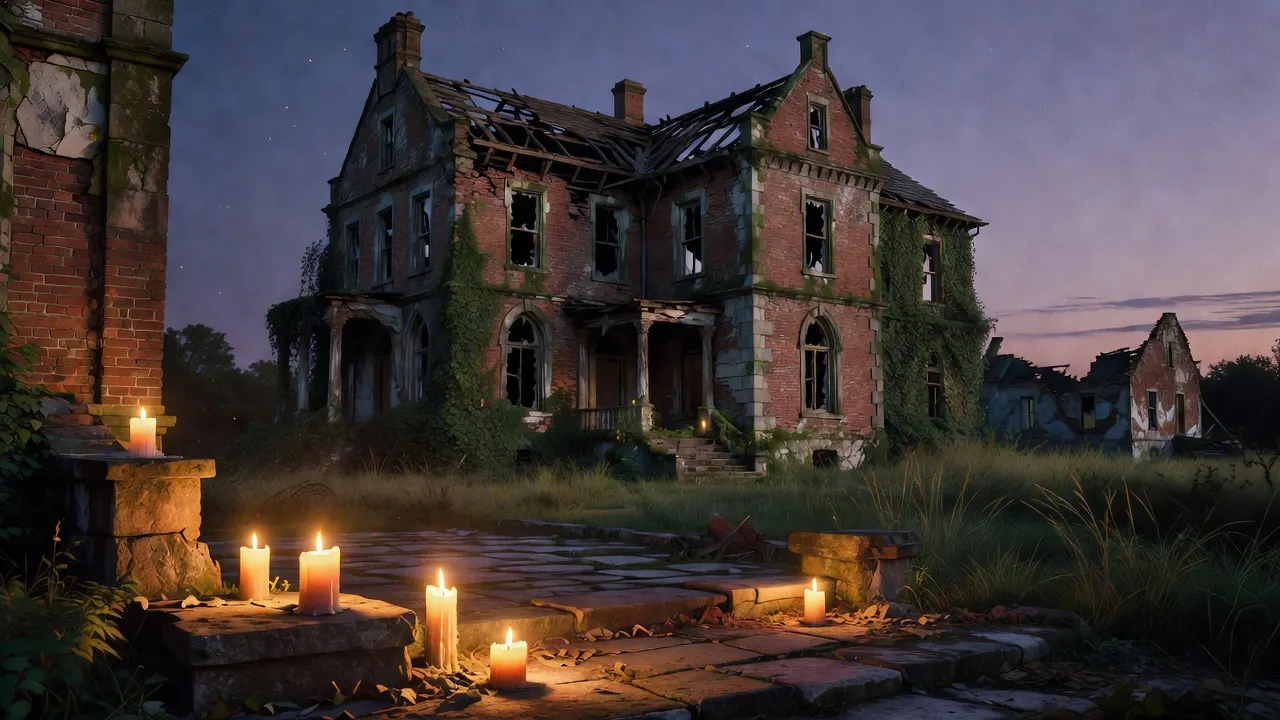
Spot a genuine abandoned-property prospect by checking what the listing actually establishes, separating visible character from assumptions about ownership or value, and researching the site’s history and setting. Then assess the likely work and costs before considering a purchase. Treat a ruin as a lead to verify, not proof of a bargain.
Key facts
- A real-estate treasure hunt combines judgement with a repeatable system. The guide describes it as part art, part system.
- A property advertised as abandoned may look inexpensive, but the real cost can exceed the apparent bargain. Weird Realty flags this risk.
- LostFoundations describes its purpose as documenting, photographing and appreciating sites’ aesthetic and historical value.
Read the listing as a lead, not proof
An unusual listing can be a starting point, but its appearance does not establish a property’s ownership, legal status or condition. Read the description for what it actually says, then keep unanswered questions separate from what the seller has stated. The distinction matters: an evocative photograph can show neglect without proving that a property is available to buy.
Look for the concrete details that let you assess the opportunity: what is being offered, what condition is described, and what information remains missing. Do not turn an empty interior, broken windows or overgrown grounds into a claim that a home has been abandoned. Treat these as visible clues to check, not a complete account of the property.
Ask why the property may be priced below comparable homes, rather than assuming that an unusual listing is a bargain. That question matches the treasure-hunting guide’s suggested approach. Its checklist asks why a property is below market.
A useful lead may be overlooked or undervalued, but that does not make it low-risk. The same guide presents finding and valuing opportunities as a process rather than a lucky guess. It sets out sourcing, valuation and exit planning as parts of that process.
Separate architectural interest from investment value
Unusual architecture can make a neglected property compelling to explore, photograph or research. Yet visual interest and investment value are different questions. A building may have a striking silhouette or a memorable interior while still demanding more work than a prospective buyer can justify.
Build a cautious view of costs before treating a listing as a potential purchase. The asking price alone cannot tell you what the property will ultimately require. Weird Realty warns that the true cost of an abandoned-property purchase may exceed its initial expectations.
Do not claim that the building is historic, protected or structurally sound unless your evidence supports that conclusion. A database or local record can give you a research lead, but it is not a substitute for checking the property itself. Keep the architectural story distinct from the practical question of whether the site can be bought, used or restored.
Think in terms of evidence and uncertainty. Note what is visible, what the listing confirms and what still needs independent checking. The treasure-hunting guide frames the search as both art and system, a useful reminder to balance curiosity with disciplined assessment. It explicitly characterises real-estate treasure hunting in those terms.
Use heritage research responsibly
Researching a site’s history can deepen your understanding of why a building matters. LostFoundations says its work documents and appreciates the historical and aesthetic value of places in decay. Its stated aim is to document, photograph and appreciate these places.
That heritage perspective is valuable even when you are not considering a purchase. A record of a site can help keep its story visible, while a property listing addresses a different issue: whether there is an offer to buy. Do not treat a map entry, photograph or online account as proof that a location is for sale or open to visitors.
Use research to identify questions rather than to fill gaps with assumptions. You might want to establish what the site was used for, whether the property is connected to a wider historic landscape, and whether the available material is reliable. Keep those questions open until you can verify them through appropriate records or professional advice.
Responsible documentation also means respecting the site and its surroundings. LostFoundations describes its database as supporting preservation by recording historical significance before sites are reclaimed by nature or demolished. That preservation purpose gives context to heritage research. Appreciation should not be confused with permission to enter, alter or claim a property.
What this means for you?
If you are a prospective buyer drawn to an abandoned-looking house, start by deciding what you want from it. A restoration project, a distinctive home and a photographic subject all involve different questions. Being clear about your aim can stop you confusing an appealing image with a suitable purchase.
Make a simple evidence sheet for each lead. Record what the listing says, what the images show and what you cannot yet establish. Keep guesses out of the confirmed-information column. This makes it easier to compare properties without letting a dramatic exterior or unusual story dominate your judgement.
Next, examine the financial case with care. Consider the purchase price alongside the work that may be needed, and avoid treating possible resale gains as certain. The hidden-gems guide links opportunity hunting with valuation, renovation and an exit plan. That framework supports assessing the whole project, rather than the listing price alone.
Keep your research ethical. An abandoned appearance does not grant permission to enter, and a place documented online is not automatically available for sale. Use public information, seek appropriate professional advice and check access before visiting. When your interest is historical or visual, you can focus on documentation and appreciation without presenting yourself as the owner or buyer.
Finally, be willing to walk away. A property can be fascinating and still fail your practical tests. If important details remain unresolved, treat that uncertainty as part of the decision, not as a reason to assume the best. A sound lead earns further investigation; it does not demand a commitment.
What to do now?
- Define your purpose. Decide whether you are looking for a purchase, a restoration challenge or a site to research. That choice sets the questions you need to answer.
- Read the listing closely. Write down its claims and keep your own interpretation separate. Mark gaps instead of guessing what the photographs cannot establish.
- Question the apparent bargain. Ask why the property may be priced below market, then look for evidence that could explain the difference. That question is part of the guide’s checklist.
- Research the site. Look for credible historical context and use it to form questions, not claims about ownership, access or sale status.
- Assess the whole project. Consider likely work and costs before judging whether the opportunity suits your aims. An abandoned listing’s true cost may exceed its apparent price.
- Choose a responsible next step. Verify uncertain details through suitable channels, respect access limits and do not commit while essential questions remain unanswered.
Sources
- flipping.store/treasure-hunt-finding-hidden-gems-in-the-real-estate-market
- weirdrealty.com
- lostfoundations.org
About this page
Written with AI assistance from the sources listed above, then checked by automated fact, source, repetition and quality checks before publishing.
Facts and links checked on 10 November 2026. Summarises the sources linked above; check the linked source for the latest version.
How we researched this: we compiled this guide from the official and independent sources listed above, and checked the facts on the date shown. Our editorial policy explains how we choose and check sources.