Deciphering Decay: A Field Guide to Buying Abandoned Buildings
Buying an abandoned structure starts with establishing who owns it and whether it is legally available, not with treating neglect as permission. Research…
Unsolved Mysteries6 min readPublished 10 November 2026
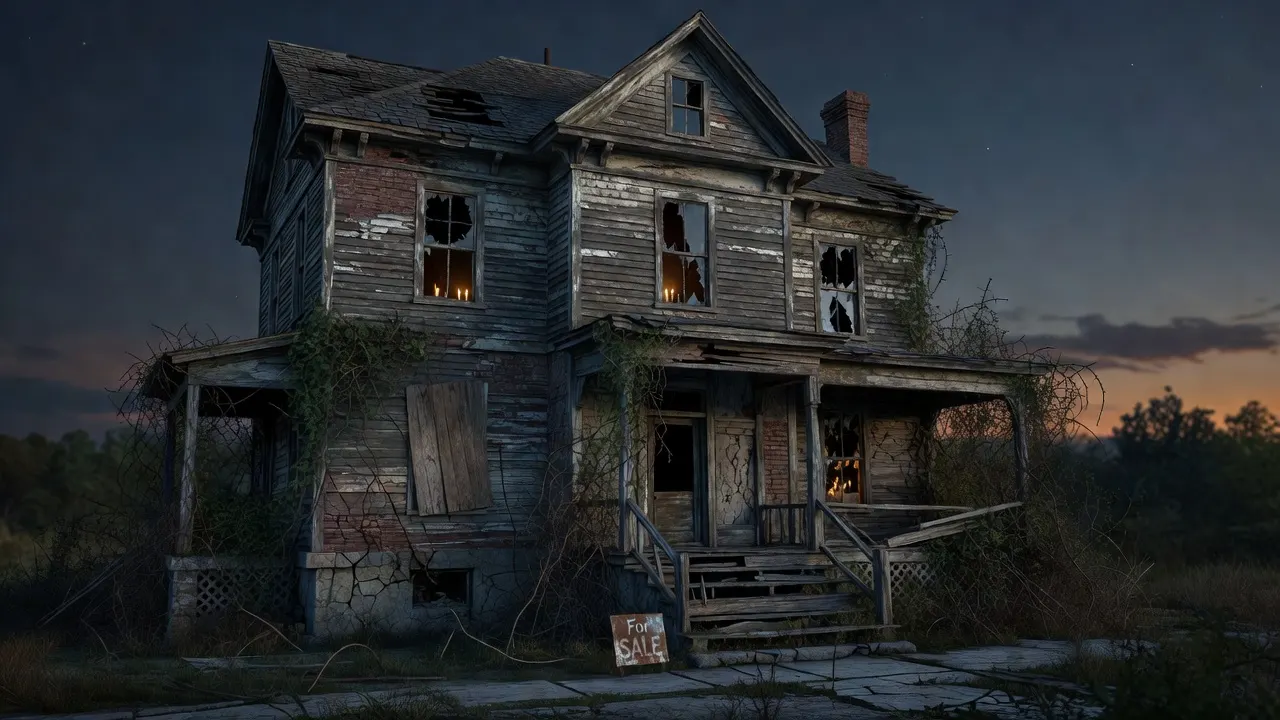
Buying an abandoned structure starts with establishing who owns it and whether it is legally available, not with treating neglect as permission. Research through maps, records and local sources, then verify the property and its condition without entering unlawfully. Pursue a purchase only through a documented sale process, and make safety, title and repair questions part of your decision.
Key facts
- Abandoned buildings can have Unstable floors, water damage, asbestos, broken glass, exposed wiring, shafts, mould and hidden drops.
- Land banks are described as public agencies that acquire tax-foreclosed and abandoned property and sell it through a real process.
- Abandoned military bunkers, factories, sanatoriums, hospitals, châteaux and historic ruins are documented across several regions.
Appearance does not prove a building is available
A broken window or overgrown approach can suggest neglect, but it cannot establish who owns a structure or whether a sale is possible. A building can look abandoned and still be protected by property law. Some quiet-looking sites remain in use for storage, seasonal activity or restricted operations.
That distinction matters before any visit. Look for signs of long-term disuse rather than judging from a single angle. Treat visual clues as leads to investigate, not permission to cross a boundary. The sensible question is not simply whether the place seems empty. It is whether you can identify an owner or lawful seller and confirm that the property is being offered for sale.
Research can combine satellite maps, historical imagery, public records, local reports and on-the-ground verification. Layering sources can help you test whether a lead is current and worth pursuing; it does not replace checking ownership or sale terms. Verify each lead and make safety and legality part of the process from the start.
For unusual buildings, historical interest can be part of the appeal, but it should not blur the difference between documenting a place and acquiring it. Records of sites' historical significance as they face decay or redevelopment can be used to understand the building, then seek a lawful route to a purchase.
Search for a route to purchase, not just a remarkable ruin
Finding a compelling structure and finding one you can buy are different tasks. Typing a generic phrase into a listing site may produce little, because owners of abandoned houses may not list them on the MLS. Buyers can be pointed towards Land banks and their published inventories.
Land banks acquire tax-foreclosed and abandoned properties, address back taxes and many title problems, then sell through a defined process. Public agencies are described as major sellers of abandoned property. This is one route, not proof that every neglected building is held by an agency or offered on the same terms.
Other research approaches include searchable websites for distressed properties, professional property locators and relationships with agents, developers and local community members. Finding abandoned properties can require strategic research, professional help and community engagement. These are ways to generate leads; each lead still needs verification and a legitimate seller.
Let hazards and uncertainty shape your assessment
Abandoned structures may contain unstable floors, water damage, asbestos, broken glass, exposed wiring, shafts, mould or hidden drops. A visit that looks like a simple viewing can therefore involve hazards that are not obvious from outside. Do not treat an online image, a map or a quiet exterior as a safety assessment.
Legal access is a separate issue from physical safety. A building's neglected appearance does not cancel property protections. Do not enter unless you have permission and a lawful reason to be there. If you cannot arrange a safe, authorised inspection, make that uncertainty part of your decision rather than trying to overcome it through an unauthorised visit.
Ask what information the seller can provide about the building's condition and ownership. Seek suitable professional advice where the documents, structure or intended work exceed your own knowledge. Abandoned-property projects can involve finding, assessing and purchasing. That sequence is useful: do not let excitement about a striking façade skip the assessment stage.
Consider whether the building's history creates specific care or preservation questions. Documentation and responsible preservation can be part of work with sites undergoing natural decay. For a prospective buyer, that is a reason to investigate the structure's significance and possible constraints before committing, not a reason to assume any particular rule applies.
What this means for you?
Begin with a purchase question, not an exploration question: can you identify a seller with authority to sell, and can you see a documented route to transfer ownership? Abandonment alone does not answer either point. Abandoned property can move through a process and may end up with a land bank, city or county after years of unpaid taxes.
If you are a buyer drawn to an old factory or empty house, write down what you need to know before spending time on a viewing. Record the address or location, the source of the lead, the apparent seller, the stated sale route and the unanswered ownership questions. This is general planning, not a substitute for checking the relevant records or getting qualified advice.
Keep research and access separate. Maps, historical imagery, public records and local reports can help you investigate a lead. They do not grant permission to enter. If you need to inspect, ask the owner or seller to arrange lawful access and suitable precautions. If access is refused or cannot be confirmed, pause rather than treating the site's condition as consent.
Set a clear stop point for uncertain information. A lead is not ready for an offer while the seller's authority, sale terms or safe inspection remain unresolved. Published land-bank inventory can be characterised as property with a way to buy it through a real process. Use that standard as a prompt to look for a clear, verifiable route, not as a guarantee about any particular listing.
Finally, weigh the building's appeal against the work and unknowns involved. Buyers may be drawn to Updating or repurposing historic buildings, or to contributing to urban renewal. Those aims can guide your search, but they do not establish condition, cost or feasibility. Make a decision only when the evidence supports both a lawful purchase and a realistic assessment.
What to do now?
- Define what kind of structure and location you are seeking. Keep the aim specific enough to compare leads, without assuming that a neglected building is for sale.
- Search more than one source. Combine maps, historical imagery, public records and local reports, then verify each promising lead.
- Check who appears to own the property and whether a seller can show a documented sale route. Consider published land-bank inventory where relevant.
- Do not enter on appearance alone. Confirm permission first, and treat hazards such as unstable floors, wiring, asbestos and hidden drops as real assessment concerns.
- Ask for information about the property's condition, title and sale terms. Use suitable professional help when you cannot assess a document or building yourself.
- Pause if ownership, access or the purchase process remains unclear. Move forward only when you can verify the seller's authority and make an informed assessment.
Sources
- www.mapurbex.com/us/en/blog/how-to-find-abandoned-buildings-a-safe-and-legal-urbex-guide
- lostfoundations.org
- www.landbanksearch.com/blog/abandoned-houses-for-sale
- resimpli.com/blog/abandoned-property
About this page
Written with AI assistance from the sources listed above, then checked by automated fact, source, repetition and quality checks before publishing.
Facts, prices and links checked on 10 November 2026. Prices and features change, so confirm on the official pages before you decide.
How we researched this: we compiled this guide from the official and independent sources listed above, checked prices and facts on the date shown, and did not test the products ourselves. Our editorial policy explains how we choose and check sources.