How to Verify and Buy Unusual Abandoned Property Listings
Treat an unusual listing as a lead, not proof that a property is abandoned or for sale. Confirm the building and its condition independently, check…
Unsolved Mysteries6 min readPublished 9 November 2026
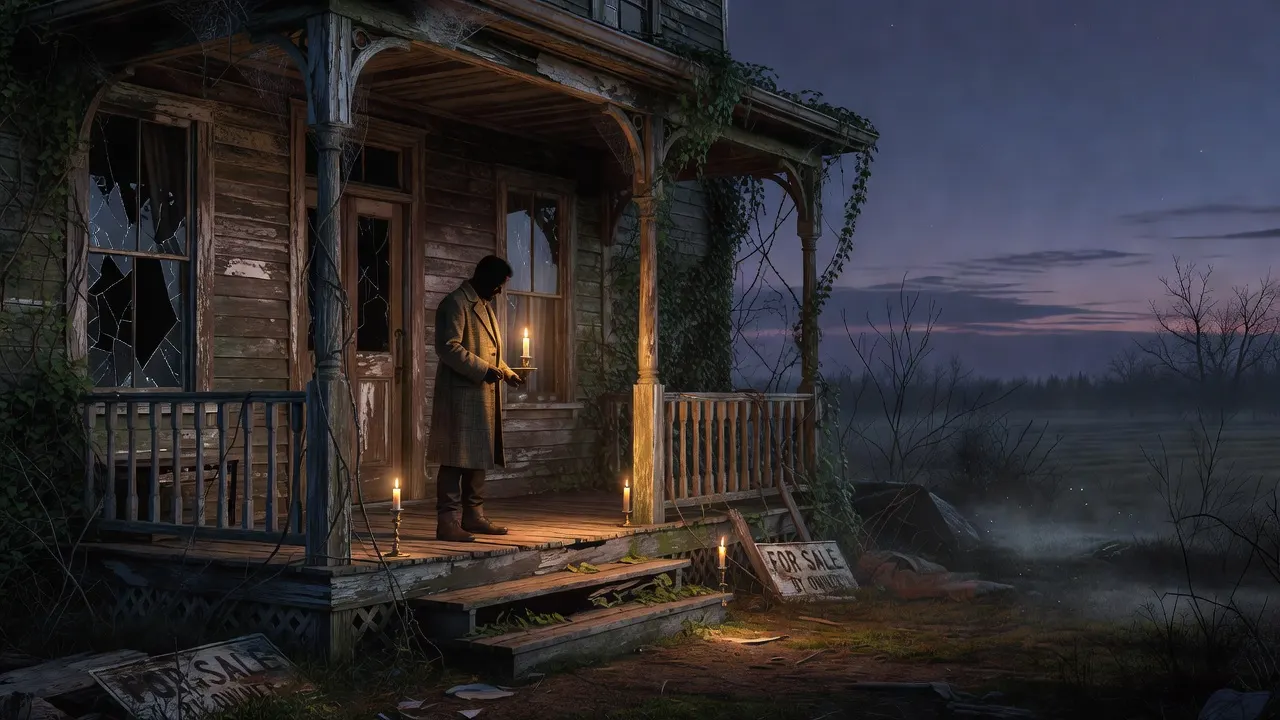
Treat an unusual listing as a lead, not proof that a property is abandoned or for sale. Confirm the building and its condition independently, check reliable records to establish who can sell it, and review the listing’s language and representation. Do not pay until those checks are complete; then assess the legal and practical risks before proceeding.
Key facts
- A listing cannot establish that a property is abandoned, available or offered by its rightful owner. Read about authenticating unusual properties.
- Abandoned-property transactions require attention to legal rules, local ordinances and due diligence. Review the legal guide.
- Listing descriptions may state whether a property needs repairs or is being sold as-is. Understand condition wording.
A listing is a lead, not proof of abandonment
Decay, unusual design and signs of neglect can make a property compelling, but those features do not settle its status. A vacant-looking building might still have an owner, and an advert alone cannot show that its poster has authority to sell.
Abandoned property generally refers to real estate that no longer has an owner willing or able to maintain it. That description helps frame the question, but it does not authenticate any specific listing.
Listings can also be misleading in a more direct way: a phantom advert may reuse material from a legitimate listing, even when the person reposting it has never entered the unit. Treat photographs and dramatic descriptions as prompts for verification, not substitutes for it.
Start by establishing that the building exists and checking its condition independently. Then use reliable records to determine who has the right to sell it. These are separate checks: proof of a building’s existence does not establish its ownership, while a name in a record does not show its current condition.
Do not let urgency reverse that order. Resist pressure to pay before the checks are complete. An unusual property may be worth investigating, but the story in an advert is not enough to justify a deposit.
Read the advert closely and check who represents the seller
An advert is a compressed description, so inspect its details rather than relying on its most striking claim. Real-estate guides point to industry terminology, relevant property information and careful analysis as useful tools for interpreting listings. If a phrase is unclear, note it as an unanswered question instead of assuming what it means.
Pay particular attention to condition. An advert may describe a property as needing repairs or being sold as-is. Those words do not establish the scale of the work, so seek an independent view of the actual building before treating the description as a reliable account of its state.
Look for the named agent or brokerage and their contact details in the advert. Their presence gives you a point to investigate; it does not, by itself, prove that the person advertising has authority to sell. Compare the representation details with reliable ownership records and ask for clarification where the two do not align.
Unusual properties may appear alongside familiar rundown homes. Underground homes, for example, are described as a rarer kind of abandoned home that can surface among more familiar properties. Rarity can make an advert more appealing, but it does not lower the need to verify the building, its condition and the seller’s authority.
For terminology you cannot interpret, consider asking a qualified real-estate professional for guidance. Use that help to understand the advert, not as a replacement for checking records or confirming the property independently.
Legal routes and private listings need separate checks
Some resources describe possible places to find neglected or distressed properties, including real-estate websites, local government portals and municipal auctions. Those channels can point towards opportunities, but finding a notice or auction does not complete the work of verifying ownership, sale terms or the property’s condition.
A practical guide to buying abandoned property discusses ownership, title status, bidding and risk management. The available material stresses local legal rules and ordinances, rather than establishing one process for every market.
Public adverts are not the only way a property may be marketed. Off-market listings are described as properties being prepared for public listing but not yet ready for public showings. (Realtor.com) The term does not mean “abandoned”, and it does not prove that a buyer has found an authentic opportunity.
Private-market terms can also vary. One source distinguishes pocket listings, which it says are against regulations for members of the National Association of Realtors, from off-market listings. It also reports that terminology and rules have nuances depending on the market. Do not transfer a label or rule from one place to another without checking its relevance.
For buyers seeking an off-market property, the source recommends working with an agent who has strong connections and stays in touch with other agents. That may help locate a lead; it still leaves the same questions about the building, its condition and the seller’s right to sell.
What this means for you?
Think of an abnormal listing as a chain of questions, not a ready-made purchase. First, decide what makes the property worth investigating: its architecture, apparent condition or possible use. Then separate what the advert says from what you can confirm. Listing guides advise analysing details, considering your own requirements and researching before making a decision.
If you are a buyer drawn to an apparently deserted house, write down the claims that matter to your decision. Is the building real? Does its present condition match the description? Who is authorised to sell it? Independent checks of existence and condition, plus reliable records for the right to sell, are essential steps. Keep each question open until you have evidence for it.
Use the wording of the advert to shape enquiries, not to answer them. If it says “as-is” or mentions repairs, seek a clearer account of condition. If the advert names an agent or brokerage, check those details and ask who they represent. Avoid treating an evocative history or striking photograph as proof of ownership or access.
What to do now?
- Record the advert’s claims about location, condition, unusual features and representation. Mark unclear language for follow-up; listing guidance stresses attention to detail and relevant information.
- Confirm that the property exists and independently assess its condition. Do not treat photographs or an advert as proof.
- Check reliable records to establish who can sell the property. Keep ownership separate from the question of physical condition.
- Clarify what any condition terms mean, including claims that repairs are needed or the sale is as-is. Ask the named agent or brokerage for more information where appropriate.
- Research the legal route and risks for the relevant market. Guides identify local rules, ordinances and due diligence as important.
- Pause before paying. Proceed only when your checks are complete and the seller’s authority and sale process are clear.
Sources
- lawwiselab.org/how-legally-abandoned-property-practical
- www.lizard365.com/opinion/deciphering-real-estate-ads-a-guide-to-understanding-property-listings
- www.realtor.com/advice/buy/shhh-how-to-find-whisper-listings
About this page
Written with AI assistance from the sources listed above, then checked by automated fact, source, repetition and quality checks before publishing.
Facts, prices and links checked on 9 November 2026. Prices and features change, so confirm on the official pages before you decide.
How we researched this: we compiled this guide from the official and independent sources listed above, checked prices and facts on the date shown, and did not test the products ourselves. Our editorial policy explains how we choose and check sources.