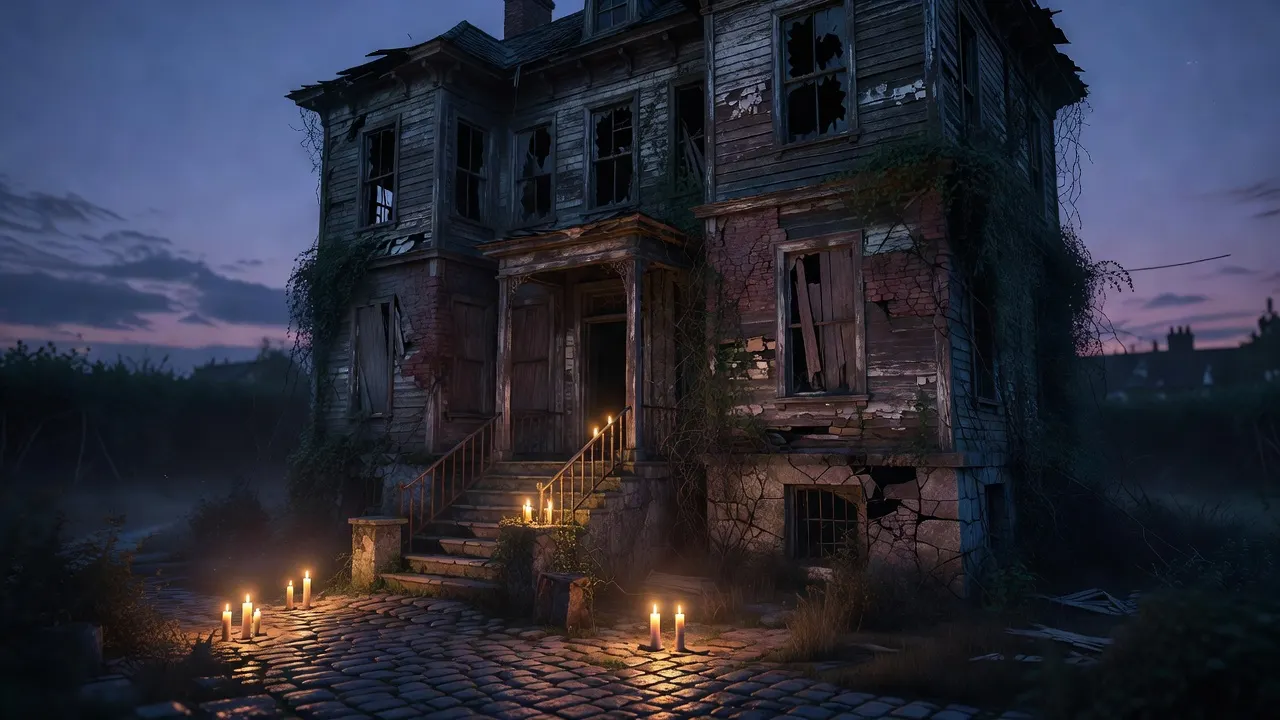
A listing cannot prove that a property is abandoned, available or represented by its rightful owner. Treat its photos and paperwork as leads, not proof. Confirm the property’s existence and condition independently, verify who can sell it through reliable records, and resist pressure to pay before those checks are complete.
Key facts
- Phantom listings may copy legitimate adverts, while the advertiser has never entered the property. Proof.show describes this risk.
- AI image tools can detect reused listing photos, including images that have been cropped or edited. Redwerk outlines image fingerprinting and reverse search.
- An underground home listed at a shockingly low price near a booming area should raise red flags. Weird Realty discusses that warning.
- Forged title deeds, fabricated plans and manipulated powers of attorney appear in major international cases. JanusHermes lists these document risks.
A neglected appearance does not prove abandonment
Abandoned-property listings can be compelling because they show decay, unusual design or apparent neglect. Yet a listing’s visual story does not establish who owns the property, whether it is vacant, or whether its owner has agreed to sell. Treat “abandoned” as a claim to investigate, not a verified status.
Some properties may look hidden or unusual rather than empty. Weird Realty describes underground homes as a rarer type of abandoned home that can surface among more familiar rundown properties. That distinction matters: a strange exterior or concealed structure does not establish that nobody lives there or controls it.
Start by separating what the advert shows from what it asserts. Photos may show a deteriorated building, but they cannot confirm the address, current condition or seller’s authority. A copied advert can feature a real property while making a false offer. Proof.show reports that phantom listings can be reposted from legitimate adverts by people who have never entered the unit.
Look for a verifiable connection between the property and the person offering it. Proof.show says property fraud depends on buyers accepting claims without independent, verifiable proof that the seller or representative is physically present at the asset. A video call, photo set or confident description is not the same as independently checking the site and the seller’s authority.
Do not infer ownership from apparent neglect. Nor should you infer that a building is safe, sound or ready for use from a listing. Keep those questions separate from whether the offer itself is genuine. An unusual home can be real and still be misrepresented.
Check the property, images and paperwork separately
Use the advert to identify claims that need checking: location, condition, access, ownership and permission to sell. Then seek evidence through channels independent of the person promoting the listing. The goal is not to collect more copies of the seller’s story; it is to compare that story with records and direct observation.
Where possible, arrange an independent visit to the property or have a trusted local professional inspect it. Proof.show identifies physical presence at the property as a weakness in scam operations. A visit can help confirm that the asset exists and that the visible condition matches the advert, but it does not, by itself, prove ownership or legal authority to sell.
Check photos for reuse. Redwerk describes image fingerprinting and reverse search as ways to find images reused across cities and accounts, even after cropping or editing. A match is a reason to investigate how the images were used. It does not alone establish who owns the property or whether the current listing is fraudulent.
Verify the seller’s identity and authority against relevant property and title records. Compare document details with independently obtained records, rather than relying on paperwork supplied by the seller alone. JanusHermes lists forged deeds, fabricated cadastral plans, manipulated powers of attorney and fake notary stamps among recurring document risks.
Keep the checks distinct: the building may exist, the images may be genuine, and the paperwork may still fail to establish that this seller can transfer it. If records conflict or cannot be independently checked, pause. Do not let an unusual property’s appeal substitute for evidence.
What this means for you?
For a buyer, authenticity has several parts. You need to know that the property exists, that its condition is represented honestly, and that the person offering it has the authority to do so. Evidence for one part does not settle the others. A real building can appear in a fake listing, and a genuine photograph does not validate a title document.
If you are a buyer considering a remote, neglected house, treat every striking claim as a prompt for a separate check. Ask for the exact location and a way to inspect the site independently. Verify ownership through records you obtain yourself. Compare the property’s visible state with the advert, and ask an independent local professional to assess matters you cannot judge from images.
Be especially careful when a listing combines a dramatic story with a price that seems unusually low. Weird Realty warns that an underground home offered at a shockingly low price near a booming area should raise immediate red flags. That is a reason to investigate carefully, not proof by itself that the listing is fake.
Do not let urgency replace verification. Proof.show says urgency is a red flag and that legitimate sellers do not object to a 24-hour delay for verification. A seller who demands quick payment before you can check the property or documents is asking you to accept risk without adequate evidence.
Cross-border purchases add distance between you and the property, seller and records. JanusHermes describes cross-border fraud patterns including wire fraud and reservation-deposit fraud. Keep control of payment decisions, independently verify payment instructions and pause if the recipient or account cannot be confirmed. The practical test is simple: can you verify each important claim without relying on the person asking for your money?
What to do now?
- Separate the advert’s claims into property identity, condition, ownership and authority to sell. Write down what evidence would confirm each one. Do not treat one convincing photo or document as proof of everything.
- Verify the location and arrange an independent inspection where possible. Compare what the inspector sees with the listing, and ask them to note discrepancies. Physical access helps test the advert’s claims, but it does not establish legal ownership.
- Check images for reuse through reverse search or image-analysis tools. Redwerk describes tools that can identify reused images despite cropping or editing. Treat a match as a lead to investigate, not a final verdict.
- Obtain ownership and title information through relevant records independently. Compare names, property details and authority documents. If the records do not agree or you cannot confirm them, stop and seek qualified local advice before proceeding.
- Refuse to let payment pressure set the timetable. Proof.show identifies urgency as a red flag and says a legitimate seller should accept a delay for verification. Confirm payment instructions independently, and do not send money while material claims remain unverified.
Sources
- proof.show/real-estate-fraud
- redwerk.com/blog/ai-real-estate-fraud-detection
- weirdrealty.com/abandoned-underground-homes-zillow-secrets
- janushermes.com/blog/international-real-estate-scam-atlas-2026
About this page
Written with AI assistance from the sources listed above, then checked by automated fact, source, repetition and quality checks before publishing.
Facts and links checked on 4 November 2026. Summarises the sources linked above; check the linked source for the latest version.
How we researched this: we compiled this guide from the official and independent sources listed above, and checked the facts on the date shown. Our editorial policy explains how we choose and check sources.