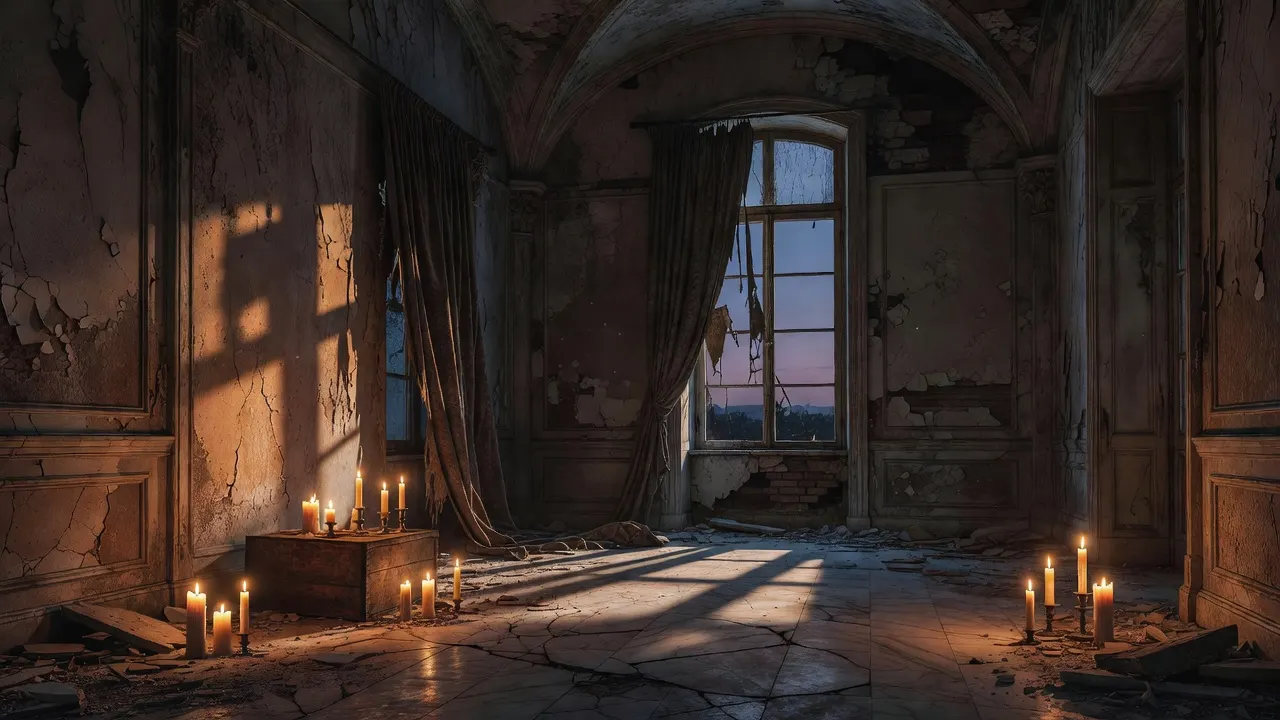
A listing can point towards unusual, neglected architecture, but it cannot establish that a building is truly abandoned, legally available or represented by its rightful owner. Treat the listing as a lead, not proof. Check ownership and access, assess the building itself, and test the likely repair and administrative demands before committing.
Key facts
- A listing alone cannot prove abandonment, availability or the seller’s authority to represent the owner.
- Abandoned European buildings can carry architectural heritage and investment potential, but renovation can cost far more than the purchase price.
- Architecture can be read through a building’s massing, materials, windows, ornament and plan.
- Abandoned buildings are also considered for repair, reuse and transformation, rather than only as investment opportunities.
A striking listing needs verification
Photographs of peeling paint, broken windows or overgrown grounds can make a property feel convincingly abandoned. They do not settle its legal status. A listing cannot prove that the property is abandoned, available for sale or represented by the rightful owner.
That distinction matters when the listing tells a compelling story. The building might be vacant for various reasons, and a photograph cannot establish which one applies.
Nor does a vivid interior image establish that buyers can enter. A listing may describe a home in appealing language, a reminder to distinguish promotional wording from evidence about what can be inspected or bought.
Use the advert to identify a building worth checking, not as a substitute for checking it. Ask for evidence that the seller has authority and that the sale terms cover the property being shown. Seek permission before visiting; the urban-exploration motto reported by some sources explicitly warns against entering private property.
Authenticity is therefore not simply a visual quality. It depends on whether the building, its condition and the proposed transaction match the story told in the advert.
Read the building, not just its decay
Architectural clues can help you assess what you are seeing. Look at the overall massing, meaning the building’s broad shape and volume, alongside its materials, windows, ornament and plan. These features offer a more grounded reading than decay alone.
Style can offer another way to describe a property, but it should not be treated as proof of age, ownership or abandonment. Common styles in abandoned buildings include industrial, Gothic Revival, neoclassical, Art Deco, modernist and vernacular rural forms.
For example, pointed arches, narrow openings, tracery and a strong vertical emphasis can suggest Gothic or Gothic Revival design. Such features may help you compare a listing’s images with its architectural description; they cannot confirm that the property is available or that the seller’s account is reliable.
Industrial buildings can become easier to read after abandonment because decay may remove later layers and expose the structural frame. That can reveal how a building is put together, while also making it important to distinguish visible structure from the condition of the whole property.
Architecture also gives a reason to consider more than a quick resale. Some accounts frame abandoned buildings as heritage and as possible subjects for repair, reuse or transformation. That broader view helps keep the building’s existing character in the conversation.
Costs and local processes change the opportunity
A low advertised price can draw attention, but it does not describe the full commitment. Renovating abandoned European properties typically costs substantially more than the initial purchase price. Treat the purchase figure as one part of the decision, not a reliable guide to the total effort or expense.
Assessment also needs to reach beyond an ordinary property viewing. Abandoned buildings can demand time, resources and administrative navigation, so a buyer should investigate what the transaction and restoration involve before relying on the listing’s headline appeal.
Some regions maintain registries of abandoned buildings available for purchase through particular schemes. That may provide a route to investigate, but the existence of a registry does not by itself confirm that a specific listing is included or that a buyer qualifies.
Plans for reuse can widen the question beyond private renovation. Architectural coverage describes abandoned buildings as candidates for repair, reuse and transformation, and identifies retrofit as a way to revitalise existing buildings without demolition. The intended use should therefore be considered alongside the building’s condition and purchase terms.
Keep the different questions separate: what the building is, who can sell it, what access is permitted, and what work may be needed. A positive answer to one does not resolve the others. This approach makes it harder for evocative photographs or a historic label to stand in for evidence.
What this means for you?
If you are a buyer drawn to a deserted manor, mill or former institution, start by deciding what would make the property a genuine opportunity for you. It may be the architecture, a practical future use, or the possibility of a long restoration. Be clear about that aim before a dramatic advert sets your priorities.
Then separate what you can observe from what you still need to establish. A roofline, window pattern or exposed frame can help you describe the building. None of those details proves ownership, sale authority, access rights or the full condition of the structure. Ask for evidence on those points instead of treating atmosphere as assurance.
Set a pause point before making a commitment. If the seller cannot support the account of the property, if inspection access is unclear, or if the likely work has not been explored, keep researching rather than letting the asking price decide for you. This is especially important where an advert uses auction terms or gives little interior evidence.
Think about time and administration as well as repairs. Abandoned European properties can require substantial resources and administrative navigation, while their renovation costs can exceed the purchase price. A plan that allows for those demands is more useful than assuming that a cheap entry point means an easy project.
Finally, decide what a respectful outcome would look like. The building’s history and design may matter even if your plans focus on practical use. Considering repair or reuse can keep the property’s existing fabric in view rather than reducing it to a dramatic backdrop or a quick investment story.
What to do now?
- Record what the listing actually shows. Note its architectural features and separate visible details from claims about ownership, abandonment or sale status. A listing cannot establish those claims on its own.
- Request evidence of the seller’s authority and the terms of sale. If the advert mentions an auction, clarify what that means for inspection and access before proceeding. Listings can include auction terms without interior photographs.
- Arrange only authorised access. Do not enter private property without permission, even if a building appears vacant or has attracted explorers.
- Assess the building’s features and likely work as separate tasks. Use its form and materials to understand its architecture, then investigate repair needs rather than inferring condition from style.
- Check the relevant local process and build time, resources and administrative work into your decision. Some regions have purchase schemes for listed abandoned buildings, while renovation can exceed the initial price.
Sources
- weirdrealty.com
- widevoices.com/en/articles/exploring-abandoned-houses-hidden-european-real-estate-opportunities
- www.mapurbex.com/us/en/blog/architectural-styles-of-abandoned-buildings-a-guide-to-urbex-and-architecture
- www.archdaily.com/tag/abandoned-buildings
About this page
Written with AI assistance from the sources listed above, then checked by automated fact, source, repetition and quality checks before publishing.
Facts and links checked on 5 November 2026. Summarises the sources linked above; check the linked source for the latest version.
How we researched this: we compiled this guide from the official and independent sources listed above, and checked the facts on the date shown. Our editorial policy explains how we choose and check sources.