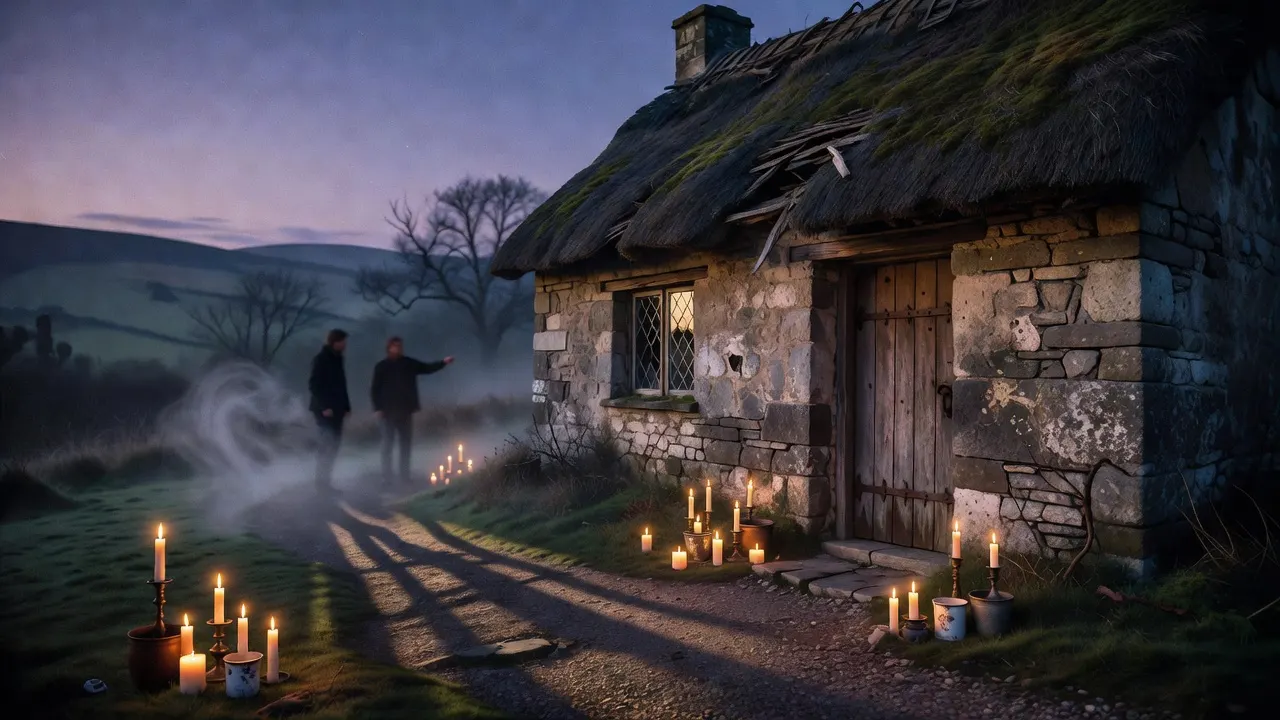
The UK property market is vast and varied, but some listings stand out for their peculiarities. For those in search of something truly unique, sifting through the usual suspects can be overwhelming. This guide will help you spot the real weirdness in property listings, with practical advice on what to look for and how to handle these unusual finds.
With a focus on properties that defy conventional standards, "How to Spot the Real Weird" provides you with essential tips and insights into the world of peculiar UK real estate. Get ready to explore the oddities, understand the costs involved, and learn the common pitfalls to avoid when buying an out-of-the-ordinary property.
How do you Spot the Real Weird?
To identify truly unusual properties in UK real estate listings, look for distinctive architectural features and atypical locations. Begin by searching websites like Rightmove and Zoopla, where unique homes such as a Cornish thatched cottage nestled in woodland or a water tower converted into an award-winning family home are highlighted. Pay attention to historical importance or captivating backstories that can enhance these listings.
A significant sign of an "unusual" property is its architectural uniqueness—whether it's a converted castle, a custom luxury house with a rotunda turret, or even a zoo transformed into residential space. These features often come with a narrative that adds charm, such as a home inspired by a renowned author or one that embodies the spirit of British architectural heritage.
When searching for these properties, consider checking Alexander Taylor's list, which includes a high Peak castle manor and an individually designed luxury house in Cardiff. This showcases the diversity of unique homes available. Remember to look beyond standard designs, as unusual properties often provide a sense of individuality and creativity that stands out in today's housing market.
In addition to architecture and location, historical significance can be a major draw for these quirky listings. It might be a property with an extensive history or one that has played a unique role in British culture. Such elements make these homes more than just places to live; they are pieces of living history.
Costs and Numbers
The costs associated with unusual properties in the UK can vary significantly, influenced by factors such as location, condition, and the level of uniqueness. According to auction-properties.co.uk, prices for such properties can fluctuate widely (source). For instance, while a quaint thatched cottage in Cornwall may be priced modestly, other unique properties like converted water towers or historic grand manors can fetch substantial sums.
Owning an unusual property often requires additional considerations beyond the initial purchase price. These properties typically demand more maintenance due to their unique nature. For example, a Thatched cottage may require regular thatching repairs, while a water tower might need specialized structural upkeep (source).
Legal considerations can also add to the costs. Properties with historical significance, such as Grade II listed buildings, must comply with strict conservation laws and may require planning permissions for alterations. These legal fees should be factored into the long-term cost of ownership.
Insurance premiums for unusual properties can be higher due to their unique features and potential risks. For instance, a property with a high risk of flood damage or located in an area prone to natural disasters may carry a significantly higher insurance policy.
Another consideration is the potential for specialist repairs. Unusual architectural designs may require specialized skills to maintain, which could be more costly than standard repairs. The costs of such work should be carefully evaluated before purchasing an unusual property.
In summary, while the purchase price might vary widely, owners of unusual properties in the UK must also consider ongoing maintenance, legal compliance, higher insurance premiums, and the potential for specialist repairs when budgeting for their unique homes.
Step-by-Step Guide
To embark on the quest for an unusual property, begin by defining your criteria. Consider factors such as location, architectural style, and budget to narrow down your options. Location could be a specific area with historical significance or a region known for its quirky properties. Architectural styles might range from Victorian eccentricities to modernist designs. Budget considerations will help filter out listings that are out of reach.
Use online property listings like Rightmove, Zoopla, and Unique Property Company to discover potential matches. These platforms offer vast selections, enabling you to search based on your criteria. Pay close attention to the property's history, as it can provide insight into its uniqueness and any potential challenges or benefits that come with ownership.
Once you have a shortlist of properties, consult with a real estate agent specialising in unusual properties. These agents have expertise in working through theities of purchasing such homes and can offer valuable advice on maintenance and restoration if required.
For instance, consider a Grade II listed thatched cottage nestled in Cornish woodland or an individually designed luxury house with a rotunda turret and dome. These examples highlight the diversity of unusual properties available in the UK market.
Remember to thoroughly research each property's background, ensuring it meets your expectations in terms of architectural interest, location appeal, and financial investment. Consulting with professionals will help you make an informed decision on whether the peculiar charm of an unusual property aligns with your lifestyle and long-term plans.
Comparisons
Comparing unusual properties involves a multifaceted assessment. Location is pivotal, as it determines accessibility and local amenities and influences the property's potential value. For instance, a thatched cottage in Cornish woodland might offer seclusion and tranquillity, whereas a water tower transformed into a family home could be situated near bustling urban areas, providing easy access to shops and services.
The condition of properties is equally important. A Grade II listed building, like the fairytale thatched cottage in Cornwall, will come with historical significance but may require restoration work. Conversely, a converted castle manor in Derbyshire, currently used as an HMO, could be a fixer-upper or already well-maintained.
Potential for development is another critical factor. Properties such as the bespoke luxury house with a rotunda turret might offer expansion possibilities, whereas others like the Animalarium in Borth, Wales, could have limited development potential due to its zoo and conservation status.
Uniqueness of features must also be considered. Each property on the market has distinguishing characteristics — from the quaintly thatched cottage to the striking water tower — which should align with an individual's taste and lifestyle needs.
Lastly, when evaluating properties for investment or rental income, consider the local demand and the property's ability to generate a return. A property with high uniqueness might command a premium price but could also have higher maintenance costs or insurance requirements.
In summary, when comparing unusual properties, weigh the location, condition, development potential, uniqueness of features, and financial implications against your personal lifestyle needs and investment goals.
Mistakes to Avoid
When considering an unusual property, it's important to avoid certain pitfalls that could lead to unforeseen challenges or financial losses. One common mistake is falling in love with a property's unique features without conducting thorough research into its condition and legal status. Just because a home is architecturally interesting doesn't mean it's structurally sound or legally compliant.
Another important consideration is overlooking the practical aspects of living in an unusual property. These homes may require specific maintenance that could be more costly or time-consuming than a traditional house. Accessibility, especially for those with disabilities, should also be a priority. For example, a home with multiple levels might not be suitable if you have mobility issues.
Overpaying for a property due to its uniqueness or perceived limited market value is another mistake to avoid. Unusual properties can sometimes be overpriced by sellers who believe the home's distinctive nature commands a premium. It's essential to research the true market value of such properties, taking into account their location and comparable sales.
A final cautionary note is to be aware of any potential legal issues that may arise from living in an unusual property. This could include planning permission for alterations, building regulations compliance, or even disputes with neighbours over boundaries. Ensuring all legal aspects are in order before purchasing can save significant headaches down the line.
Examples
When exploring the peculiarities of the UK property market, one can discover an array of distinctive listings. For instance, a converted water tower in London stands out as a unique residence with panoramic views. This architectural feature has been transformed to blend modern living with historical charm.
For those drawn to history, a Derbyshire grand manor offers the chance to reside in an elegant home surrounded by large gardens and a convenient location. The property's imposing structure and picturesque surroundings create a harmonious blend of luxury and tradition.
Eco-conscious buyers may find appeal in a Cornwall lighthouse designed with sustainability in mind. This living space uses renewable energy sources, reflecting a commitment to environmental responsibility. Its remote setting provides tranquility, while the innovative design showcases a dedication to eco-friendly living.
These examples highlight the range of unusual properties available in the UK market. From water towers to historic manors and eco-friendly lighthouses, these homes offer diverse lifestyles and architectural features, showcasing the unique world of unconventional real estate.
Checklist
When considering an unusual property, it's essential to have a checklist to ensure you're making an informed decision. Here are key points to consider:
- Property History & Legal Issues: Research the property's history thoroughly. This includes checking for any legal disputes or issues that could affect ownership or future use. Look into previous planning applications, building regulations compliance, and any outstanding debts or taxes associated with the property.
- Structural Integrity & Repairs/Upgrades: Inspect the property for signs of structural damage. Pay attention to foundations, roofs, and any alterations made to the property. Assess whether necessary repairs or upgrades are needed and estimate their costs.
- Unique Features Maintenance Costs: Consider the cost of maintaining unique features of the property. Some quirky aspects might require more regular maintenance than a standard home. This can include unusual heating systems, specific garden requirements, or preservation of historical elements.
- Lifestyle Impact: Reflect on how the unusual nature of the property will affect your daily life. Unique homes may not always blend smoothly with a typical lifestyle, especially in terms of convenience and integration with local amenities.
- Financial Preparedness: Ensure you have a clear understanding of the financial implications. This includes purchase price and also ongoing costs such as insurance, utilities, and property taxes.
- Professional Advice: Consult with professionals such as solicitors, surveyors, and architects to get expert opinions on the property's condition and potential issues.
- Local Regulations & Planning Permission: Check local planning permissions for any alterations or developments you may plan to undertake. Unusual properties might fall under specific building control laws or conservation areas.
- Insurance Considerations: Assess whether your standard home insurance policy will cover an unusual property, or if a specialized policy is necessary.
By ticking off these points on your checklist, you'll be better equipped to handle the complexities of purchasing an unusual property and make sure it aligns with your personal and financial goals.
Your next steps
- Do your research thoroughly: Check property listings, historical records, and local news for unusual features or unique history.
- Consider the location: Proximity to amenities, transport links, and other properties can significantly impact the value of an unusual property.
- Consult with experts: Engage architectural advisors and surveyors who have experience in dealing with unique or historic buildings.
- Budget wisely: Account for unforeseen expenses like repairs, planning applications, and potential legal issues that may arise with an unusual property.
- Be prepared to negotiate: Prices for such properties can be highly variable, so be ready to discuss terms and conditions.
To proceed with the purchase of an unusual property in the UK, ensure you have a clear understanding of its unique characteristics, potential costs, and any regulatory considerations. It's advisable to seek legal advice and conduct thorough due diligence before making an offer. Remember that while unusual properties may offer unique opportunities, they also come with their own set of challenges.
Frequently asked questions
How do you Spot the Real Weird?
To identify truly unusual properties in UK real estate listings, look for distinctive architectural features and atypical locations.
What should you know about Costs and Numbers?
The costs associated with unusual properties in the UK can vary significantly, influenced by factors such as location, condition, and the level of uniqueness. According to auction-properties.co.uk, prices for such properties can fluctuate widely ( source ).
What should you know about Step-by-Step Guide?
To embark on the quest for an unusual property, begin by defining your criteria. Consider factors such as location, architectural style, and budget to narrow down your options.
What should you know about Comparisons?
Comparing unusual properties involves a multifaceted assessment. Location is pivotal, as it determines accessibility and local amenities and influences the property's potential value.
Sources
- auction-properties.co.uk/unusual-property-for-sale
- www.rightmove.co.uk/news/articles/dream-properties/5-quirky-homes-for-sale
Facts, prices and links checked on 23 October 2026. Prices and features change, so confirm on the official pages before you decide.
Our guides are researched from the public sources we cite; we don't carry out hands-on product testing.