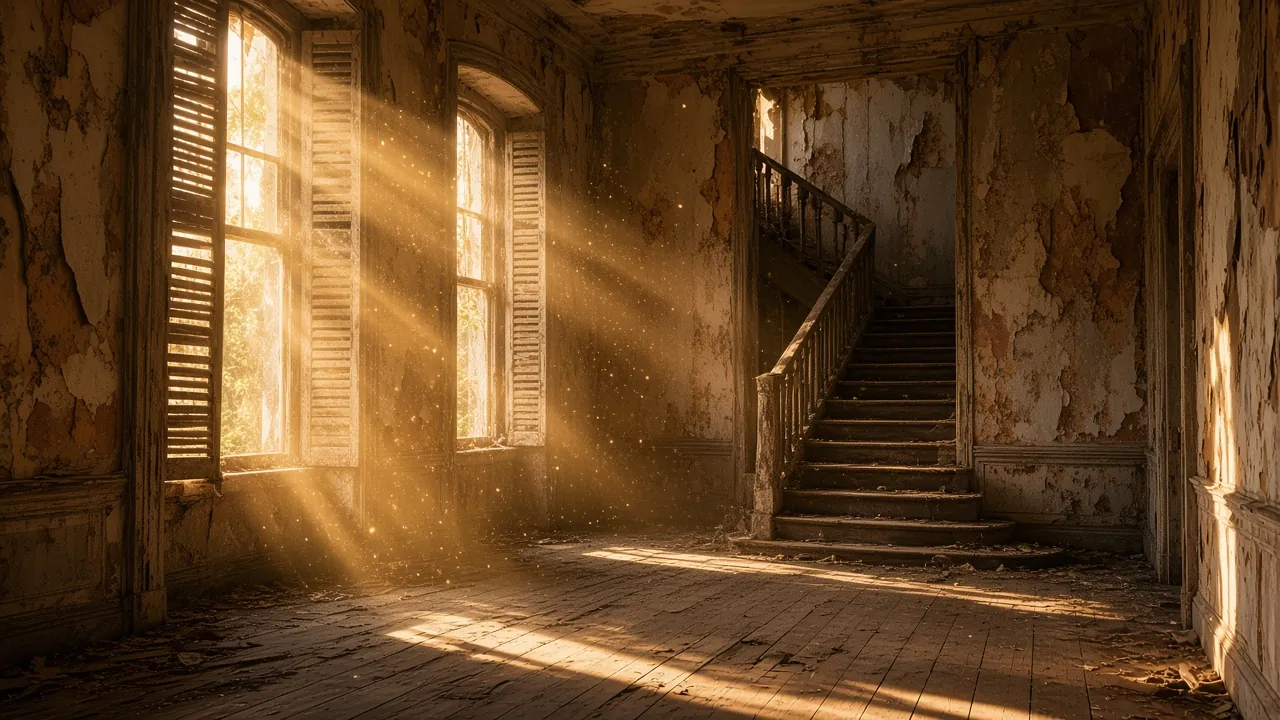
Buying a derelict or unusual home can be a bargain or a money pit. These are the seven mistakes that catch UK buyers out most often, and how to avoid them.
Derelict cottages, empty chapels and half-finished conversions are the listings everyone shares. A few of them turn into wonderful homes. Plenty of others swallow years of savings. Most of the damage comes from a short list of mistakes that are easy to avoid if you know about them before you bid.
1. Skipping the full survey
A basic valuation tells your lender what the place is worth as security. It does not tell you whether the roof timbers are rotten. For anything old or neglected, pay for a full building survey (RICS Level 3 in England and Wales) and, if the surveyor flags movement, a structural engineer as well. A few hundred pounds now is cheap next to underpinning.
2. Assuming you can get a normal mortgage
Many lenders will not lend on a property without a working kitchen and bathroom, or one that is not wind- and watertight. Those homes are often described as "unmortgageable". You may need cash, bridging finance or a specialist renovation mortgage, each with its own costs. Check before you fall in love.
3. Treating an auction like a normal sale
At a traditional auction the hammer falling is exchange of contracts. You usually pay a 10% deposit on the day and have around 28 days to complete. Read the legal pack, ideally with a solicitor, before the auction, not after. Look for unusual fees added to the buyer, missing title documents and tenants with rights to stay.
4. Forgetting about listed building and planning rules
If the building is listed, almost any change that affects its character needs listed building consent, and doing work without it is a criminal offence. Barns and chapels may also need planning permission for a change of use. Search the national heritage list and your council's planning portal before you commit.
5. Underestimating the "invisible" problems
Damp, asbestos in older outbuildings, no mains drainage, a failing septic tank, and invasive plants such as Japanese knotweed can all add five figures to a budget and may affect your ability to borrow or insure. Ask specifically about each one.
6. Not insuring an empty building
Standard home insurance often stops covering a property that has been unoccupied for more than 30 to 60 days. You will usually need unoccupied property or renovation insurance from the day you take ownership.
7. No contingency in the budget
Renovations of old buildings almost always uncover something. A contingency of at least 15 to 20% of the build cost is a sensible starting point, and more for a building that has been empty for years. Also check whether your council charges an empty homes premium on council tax while the work is going on.
The short version
Get a proper survey, confirm your finance, read the legal pack, check consents, and budget for surprises. Do those five things and an odd old building is far more likely to become a home rather than a cautionary tale.
This is general information, not financial or legal advice. Rules differ between England, Wales, Scotland and Northern Ireland.
Two tax points worth checking
- Reduced-rate VAT: building work to renovate a home that has been empty for at least two years can qualify for VAT at 5% instead of 20%, if your builder is VAT-registered and the conditions are met. HMRC's VAT Notice 708 explains the rules. Agree it with your builder before work starts.
- Stamp Duty: if you already own a home and aren't replacing it, you may pay higher rates of Stamp Duty Land Tax on an additional property in England and Northern Ireland. Scotland and Wales have their own taxes.
Sources and further reading
- RICS consumer guides: surveys and buying a home
- Historic England: listed building consent
- GOV.UK: council tax on empty homes
- GOV.UK: Japanese knotweed and invasive plants
- HMRC: VAT Notice 708, buildings and construction
- GOV.UK: Stamp Duty Land Tax
Facts checked on 20 October 2026. Spotted an error? Tell us and we will correct it.
Frequently asked questions
What should you know about 1. Skipping the full survey?
A basic valuation tells your lender what the place is worth as security. It does not tell you whether the roof timbers are rotten.
What should you know about 2. Assuming you can get a normal mortgage?
Many lenders will not lend on a property without a working kitchen and bathroom, or one that is not wind- and watertight. Those homes are often described as "unmortgageable".
What should you know about 3. Treating an auction like a normal sale?
At a traditional auction the hammer falling is exchange of contracts. You usually pay a 10% deposit on the day and have around 28 days to complete.
What should you know about 4. Forgetting about listed building and planning rules?
If the building is listed, almost any change that affects its character needs listed building consent, and doing work without it is a criminal offence. Barns and chapels may also need planning permission for a change of use.